

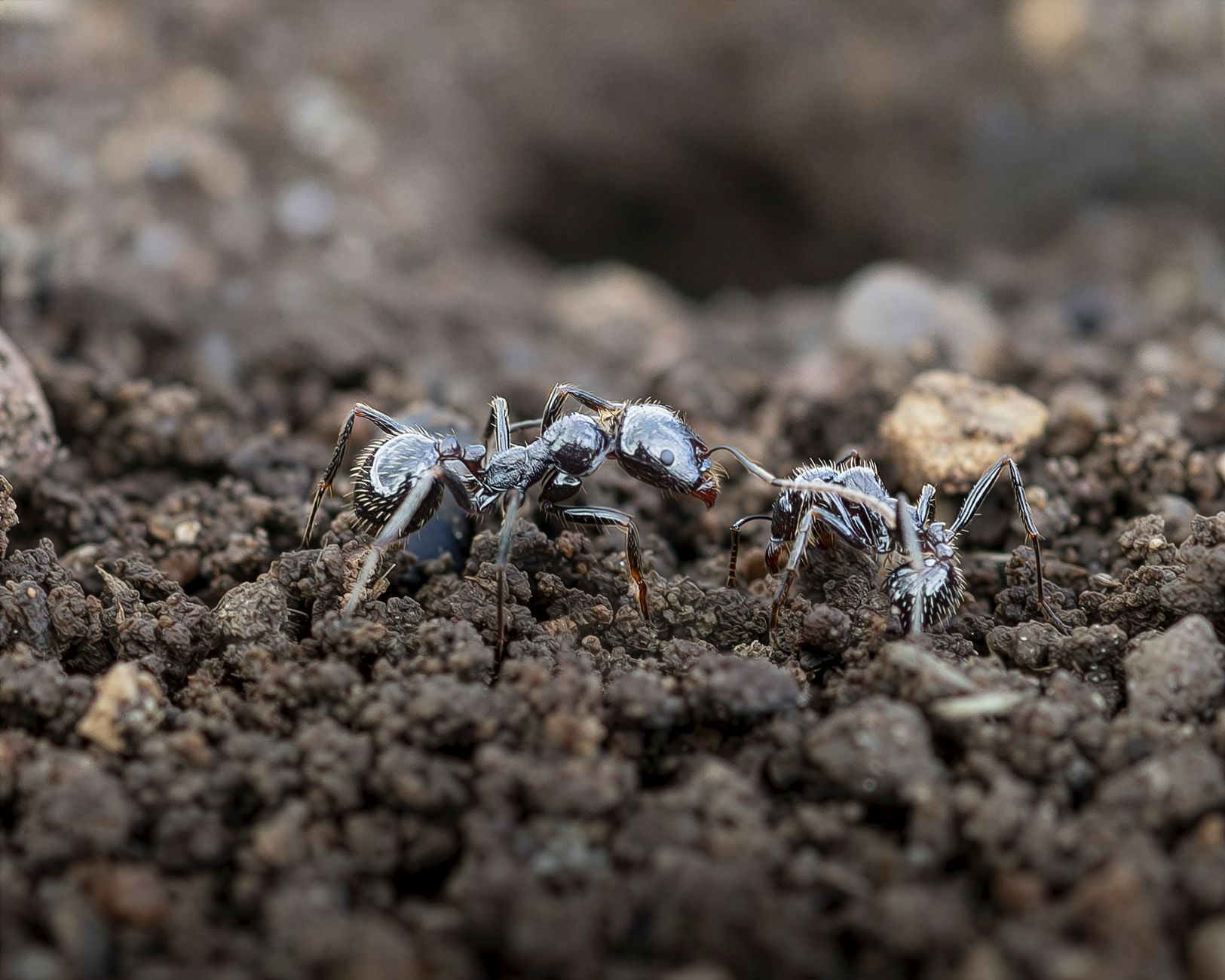
Ant ancestors fossils reveal big insights about evolutionary history, showcasing how these tiny remnants can inform our understanding of biodiversity.
What Are Ant Ancestors Fossils?
Ant ancestors fossils provide crucial evidence about the evolutionary history of these remarkable insects. These tiny remnants, often discovered in amber or sedimentary rock, offer a window into the past, revealing details about the morphology and behavior of early ant species.
Researchers have identified several key characteristics of these fossils, which include:
- Body Structure: The fossilized remains often showcase primitive features that differ from modern ants, helping scientists trace the development of specific anatomical traits.
- Behavioral Insights: Some ant ancestors fossils suggest social behaviors that may have existed millions of years ago, indicating a long history of cooperative living.
- Diversity of Species: Findings show a rich diversity of ant species, shedding light on how ants adapted to changing environments over time.
By studying these ancient specimens, scientists can construct a more complete picture of how ants evolved and diversified. The insights gleaned from ant ancestors fossils not only enhance our understanding of these insects but also contribute to broader discussions about evolution and ecological dynamics throughout history.
Overall, ant ancestors fossils serve as vital links to the past, providing evidence that informs our understanding of the present biodiversity we observe in ant populations today.
The Importance of Fossils in Evolution
Fossils play a crucial role in understanding the evolutionary history of species, and ant ancestors fossils are no exception. These tiny remnants provide invaluable insights into the development and adaptation of ants over millions of years. By studying these ancient specimens, scientists can trace the lineage of modern ants and uncover the environmental changes that influenced their evolution.
One of the primary reasons fossils are essential in evolution is that they serve as a record of past life forms. They help researchers piece together the complex puzzle of how species have evolved over time. Through ant ancestors fossils, paleontologists can observe morphological changes, such as shifts in body structures and sizes, which are indicative of adaptation to different habitats and ecological niches.
- Revealing Behavioral Patterns: Fossils provide clues about the social behaviors of ancient ants, which can inform our understanding of their modern counterparts.
- Climate Change Insights: By analyzing the conditions in which these fossils were found, scientists can draw conclusions about the impact of climate change on ant evolution.
- Extinction Events: Fossils can indicate how certain species survived or perished during significant extinction events, highlighting resilience and adaptability.
Ultimately, ant ancestors fossils are more than just remnants of the past; they are key to unlocking the secrets of evolutionary biology.
Key Discoveries from Recent Fossil Findings
Recent fossil findings have unveiled remarkable insights into the evolution of ant ancestors, shedding light on their development and diversification over millions of years. These discoveries highlight several key elements in understanding the lineage of modern ants.
- Fossilized Remains: The analysis of newly discovered fossils has provided crucial data about the physical characteristics and habitats of early ant ancestors. These remains, often preserved in amber, showcase distinct morphological features that link them to contemporary ant species.
- Diversity Patterns: Researchers have identified a variety of ant ancestors, indicating that this group was much more diverse in the past than previously thought. This diversity suggests that ants adapted to various ecological niches, which played a significant role in their evolutionary success.
- Behavioral Insights: The study of ant ancestors fossils has also revealed evidence of complex social behaviors. These findings suggest that social structures may have been established earlier in ant evolution than previously understood, highlighting the sophistication of their behavior.
- Geological Context: The geological context of these fossils provides important information about the environmental changes that influenced ant evolution. Understanding these changes helps scientists piece together how ancient ecosystems shaped the development of ants.
Overall, the study of ant ancestors fossils continues to enhance our understanding of these fascinating insects and their evolutionary journey.
How Fossils Inform Our Understanding of Biodiversity
Fossils serve as crucial windows into the past, providing invaluable insights into the biodiversity that once existed on Earth. The study of ant ancestors fossils, for instance, has significantly enhanced our understanding of the evolutionary pathways these insects have traversed. These tiny remnants not only assist in reconstructing the physical characteristics of ancient ant species but also reveal their behaviors and ecological roles in prehistoric ecosystems.
By examining ant ancestors fossils, researchers can identify key adaptations that allowed these insects to thrive in diverse environments. For example, some fossils exhibit traits that suggest social behavior, indicating that cooperation among ants may have emerged much earlier than previously thought. This insight into social evolution is crucial for understanding the complexities of modern ant societies.
Moreover, the geographical distribution of ant ancestors fossils sheds light on historical climate conditions and habitat changes. The presence of certain species in specific regions can indicate past environmental conditions, helping scientists to map out how climate shifts have influenced ant evolution over millions of years.
In summary, ant ancestors fossils not only enrich our knowledge of ant evolution but also highlight the broader dynamics of biodiversity, illustrating how species adapt and survive in an ever-changing world.
Implications for Future Research on Ants
The study of ant ancestors fossils opens new avenues for future research, providing critical insights into the evolutionary history of these remarkable insects. As researchers continue to unearth and analyze these ancient specimens, several implications emerge for the scientific community.
Firstly, understanding the morphological changes observed in ant ancestors can shed light on the adaptive strategies these insects employed to thrive in diverse environments. This can lead to:
- Enhanced knowledge of evolutionary pathways: By tracing the lineage of ants and their adaptations, scientists can better comprehend how environmental pressures shape species over time.
- Insights into social behavior: Studying the evolutionary timeline of ants may reveal how complex social structures and behaviors developed, which are key to their success.
- Conservation efforts: With a clearer picture of ant evolution, researchers can assess current biodiversity and develop strategies to protect vulnerable species and their habitats.
Moreover, collaboration across disciplines, including paleontology, genetics, and ecology, can enrich the understanding of ant ancestors fossils. Such interdisciplinary approaches may lead to breakthroughs in evolutionary biology, ultimately enhancing our grasp of life’s intricate web.
Conclusion: The Value of Studying Ant Ancestors
In conclusion, the study of ant ancestors fossils provides invaluable insights into the evolution of one of the most successful insect groups on the planet. Through careful examination of these tiny remnants from the past, researchers can piece together the complex history of ants and their adaptations over millions of years.
The findings from recent fossil discoveries have not only illuminated the evolutionary pathways of ants but have also shed light on the ecological roles they played in ancient ecosystems. By understanding the morphology and behavior of these ancestral species, scientists can better appreciate the factors that have contributed to the diversity and success of modern ants.
Moreover, the implications of studying ant ancestors extend beyond the realm of entomology. These fossils serve as a window into broader themes in evolutionary biology, including speciation, extinction, and the response of species to environmental changes. As researchers continue to uncover new fossil evidence, they may uncover even more about the dynamics of biodiversity and the evolutionary pressures that shaped these remarkable insects.
As we look to the future, ongoing research in this field promises to deepen our understanding of not only ant ancestors but also the intricate web of life on Earth. The exploration of ant ancestors fossils is a testament to the importance of paleontology in understanding our planet’s biological history.
Photo by Jesús Esteban San José on Pexels