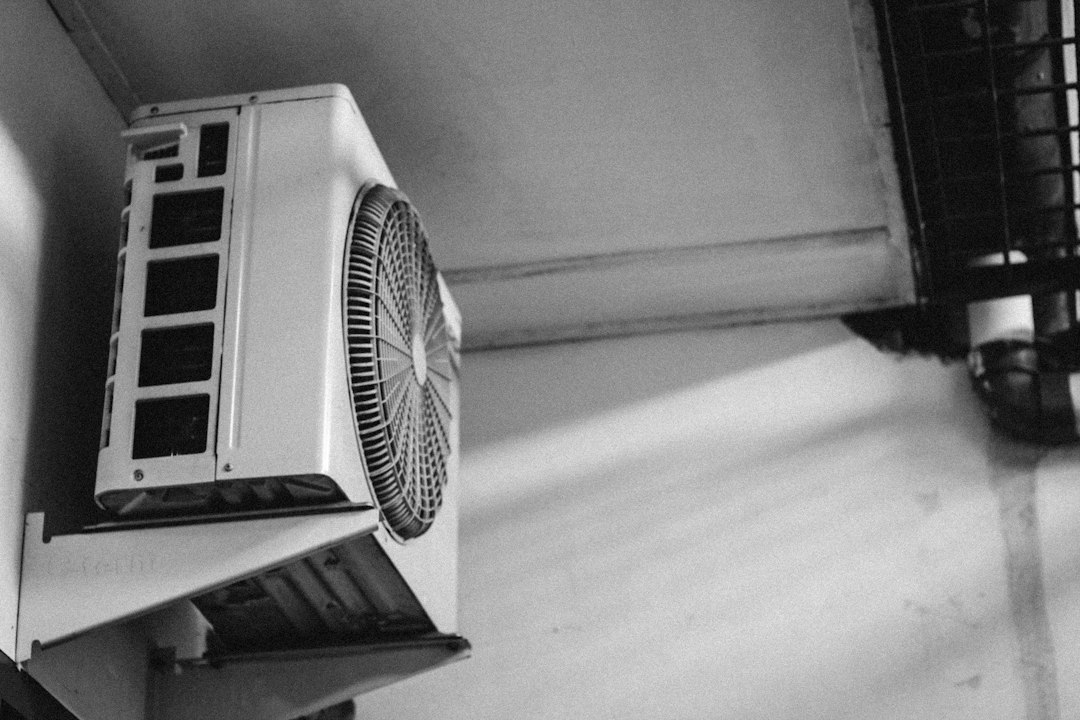
Modern air conditioning systems play an important role in maintaining indoor comfort, particularly during warm weather. When a cooling system begins performing differently, homeowners may notice symptoms such as uneven temperatures, weak airflow, unusual sounds, or longer operating cycles. Understanding these warning signs can help property owners respond before a minor issue becomes a larger repair concern. Choosing AC Repair Ventura County services when professional attention is needed can help identify the source of the problem and restore dependable cooling performance.
Jump To
- What are the most common signs that an air conditioner needs repair?
- Why is the air conditioner running but not cooling properly?
- What causes weak airflow from the vents?
- Why does an air conditioner freeze?
- What causes unusual air conditioner noises?
- Why does an air conditioner turn on and off frequently?
- How can homeowners reduce unnecessary AC problems?
- When should an air conditioning problem be professionally inspected?
- Is repairing an older air conditioner always worthwhile?
- What should homeowners look for in an AC repair service?
- How can timely repair improve cooling reliability?
What are the most common signs that an air conditioner needs repair?
Several symptoms can indicate that an air conditioning system is not operating correctly. One of the most noticeable is reduced cooling. If the thermostat is set to a comfortable temperature but rooms remain warm, the system may have an airflow restriction, electrical problem, refrigerant-related issue, or component malfunction.
Other warning signs include unusual odors, strange noises, frequent cycling, water around the indoor unit, and unexpectedly high energy consumption. These symptoms do not always point to the same cause, which is why accurate diagnosis matters. A system that makes a rattling sound may require a different solution from one that struggles with weak airflow.
Why is the air conditioner running but not cooling properly?
An operating system that produces insufficient cooling can have several possible causes. A dirty air filter can restrict airflow and make the equipment work harder. Blocked vents or ductwork problems can also prevent conditioned air from reaching living spaces effectively.
Another possibility involves the refrigerant circuit. Refrigerant levels should be evaluated by a qualified professional because the system is designed to operate with a specific charge. A suspected leak requires proper inspection rather than simply adding refrigerant without identifying the underlying problem.
Outdoor components can also affect cooling performance. Dirt, debris, or restricted airflow around the outdoor condenser may reduce heat transfer. Keeping the area around the unit reasonably clear can support normal operation, although technical cleaning and repairs should be handled appropriately.
What causes weak airflow from the vents?
Weak airflow is a common comfort complaint and can originate from several parts of an HVAC system. A heavily loaded filter is one of the simplest possibilities. When airflow through the return system is restricted, the equipment may struggle to circulate conditioned air.
Ductwork can create another challenge. Loose connections, damaged sections, insulation problems, or obstructions may reduce the amount of air reaching individual rooms. In some cases, a blower motor or related electrical component may also require inspection.
Because airflow involves multiple components, replacing a filter may solve the issue in one home but have little effect in another. Professional troubleshooting can help determine whether the restriction is located at the equipment, ductwork, vents, or another point in the distribution system.
Why does an air conditioner freeze?
Ice formation on an air conditioning system is generally a warning sign rather than an indication that the unit is cooling exceptionally well. Restricted airflow can cause the evaporator coil to become excessively cold, allowing moisture to freeze on its surface.
Low refrigerant associated with a leak can also contribute to abnormal coil temperatures. Mechanical or control problems may create similar symptoms. Continuing to operate a frozen system can place additional strain on components and may allow melting ice to create water-related problems.
When ice is visible, it is sensible to stop relying on the system for normal cooling and arrange an appropriate inspection. A professional can determine why freezing occurred instead of treating only the visible symptom.
What causes unusual air conditioner noises?
Air conditioners naturally produce operating sounds, but a sudden change in sound can provide useful information. A buzzing noise may be related to an electrical component, while rattling can sometimes indicate a loose part or debris. Grinding or squealing may point toward mechanical wear.
The location and timing of the sound are also important. A noise that occurs only when the outdoor condenser starts may have a different cause from a sound that continues throughout the cooling cycle.
Homeowners should avoid opening electrical compartments or attempting mechanical repairs without appropriate training. Air conditioning equipment contains moving parts and electrical connections that can present safety risks.
Why does an air conditioner turn on and off frequently?
Frequent cycling occurs when a cooling system starts and stops more often than expected. Several factors may contribute to this pattern, including thermostat problems, restricted airflow, incorrect system sizing, control issues, or equipment performance concerns.
A dirty filter can sometimes affect operating behavior by limiting airflow. A thermostat positioned in an unsuitable location can also produce inaccurate temperature readings. In other situations, the cause requires more detailed evaluation.
Repeated short cycles can increase wear because the system experiences more starts than it would during a normal, sustained cooling cycle. Identifying the reason for the pattern is therefore more useful than repeatedly resetting the thermostat.
How can homeowners reduce unnecessary AC problems?
Basic maintenance can help support reliable operation. Replacing or cleaning the air filter according to the manufacturer’s recommendations is an important starting point. Homeowners can also keep supply and return vents unobstructed and avoid placing furniture directly over important airflow openings.
The outdoor unit should have reasonable clearance from leaves, vegetation, and other debris. However, internal cleaning, electrical inspection, refrigerant work, and component replacement should be left to qualified professionals.
Regular maintenance can also provide an opportunity to identify worn components before they cause an unexpected breakdown. The exact maintenance requirements depend on the equipment, operating conditions, system age, and manufacturer’s recommendations.
When should an air conditioning problem be professionally inspected?
Professional assistance becomes especially important when cooling performance changes suddenly, electrical symptoms appear, water accumulates around equipment, refrigerant problems are suspected, or unusual mechanical sounds develop.
A professional inspection generally involves identifying the reported symptom, examining relevant components, checking system operation, and determining whether repair or another form of service is appropriate. Good troubleshooting focuses on the underlying cause rather than replacing parts without confirmation.
Prompt attention can also help protect indoor comfort during periods of high cooling demand. Waiting until a system stops completely may create a more disruptive situation than addressing warning signs earlier.
Is repairing an older air conditioner always worthwhile?
Not necessarily. The decision depends on the nature of the failure, equipment condition, repair requirements, operating performance, and expected future reliability. A relatively straightforward repair may make sense when the system is otherwise performing well.
An older system with recurring failures may require a broader cost-and-performance assessment. Homeowners can ask for an explanation of the problem, the proposed repair, and the likely implications for continued operation.
A professional evaluation provides useful information for making that decision without relying solely on the age of the equipment.
What should homeowners look for in an AC repair service?
Clear communication is an important consideration. Homeowners should seek a service provider that explains the diagnosed problem, describes the proposed work, and answers questions about system operation. Appropriate licensing, qualifications, insurance, and experience should also be considered according to local requirements.
A professional approach should emphasize diagnosis, safety, workmanship, and transparent communication. Customers should understand what service is being recommended and why it is necessary before authorizing significant work.
How can timely repair improve cooling reliability?
Air conditioning problems rarely become easier to understand when warning signs are ignored. A small airflow restriction, developing mechanical problem, or control issue can affect overall performance if it continues unchecked.
Timely inspection allows homeowners to understand what is happening inside the system and determine the appropriate next step. Combined with sensible maintenance and responsible operation, professional repair can help preserve comfort and support more consistent cooling.
For Ventura County properties, understanding common air conditioning symptoms provides a practical foundation for maintaining indoor comfort. Rather than waiting for complete failure, homeowners can pay attention to changes in airflow, temperature, sounds, moisture, and operating patterns. When a problem requires technical expertise, professional evaluation can provide a safer and more informed path toward restoring dependable air conditioning performance.
Quick Summary
- Symptoms indicating an air conditioning system may need repair include reduced cooling, unusual odors, strange noises, and unexpectedly high energy consumption.
- Common causes of poor cooling performance can involve airflow restrictions, electrical problems, refrigerant issues, or component malfunctions.
- Weak airflow from vents can result from a dirty air filter, damaged ductwork, or a faulty blower motor, requiring professional inspection for accurate diagnosis.
- Ice formation on an air conditioning system typically indicates restricted airflow or low refrigerant levels, necessitating a professional inspection to determine the underlying cause.
- Frequent cycling of an air conditioner can be caused by thermostat issues, restricted airflow, or incorrect system sizing, and can increase wear on the system components.