

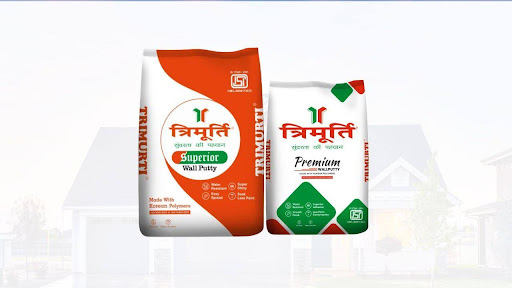
A flawless interior begins with a smooth, durable wall surface. Before paint is applied, the walls must be prepared with materials that ensure longevity, prevent cracks, and enhance overall aesthetics. One of the most critical components for achieving this is wall putty. It acts as a protective and leveling layer, filling small imperfections, providing a strong base for paint, and contributing to a polished finish.
Choosing the right putty is not merely a cosmetic decision; it directly impacts the structural integrity and maintenance requirements of your interiors. Factors such as wall type, environmental conditions, and budget influence this choice. Understanding these elements allows homeowners, builders, and interior designers to make informed decisions, ensuring walls remain visually appealing and durable over time. Additionally, consulting trusted construction material suppliers helps guarantee consistent quality and access to expert guidance during the selection process.
Below are the 5 key factors to consider when selecting materials for durable and visually appealing interiors:
1. Composition and Quality: Ensuring Smoothness and Strength
The composition and quality of finishing materials are fundamental to achieving smooth, durable, and visually appealing interiors. High-quality formulations typically contain fine powders, binders, and specialized additives that enhance adhesion, provide a flawless finish, and resist environmental damage.
- Surface Condition: Newly plastered walls benefit from standard formulations, while older or damaged walls may require advanced materials that fill cracks and uneven areas.
- Durability: High-quality materials resist shrinkage, cracking, and environmental wear, maintaining the structural integrity of walls.
- Moisture Resistance: Essential for interiors exposed to humidity, preventing mold growth and ensuring long-lasting protection.
- Smooth Finish: Ensures even paint application and enhances overall visual appeal.
By prioritizing composition and quality, builders and homeowners lay the foundation for interiors that are not only elegant but also durable and low-maintenance over time.
2. Performance Features: Durability, Crack Resistance, and Paint Compatibility
Beyond composition, performance features are a decisive factor in wall putty selection. Durable putty protects interiors from cracking, moisture penetration, and surface wear, reducing the need for frequent repairs. Key performance characteristics include:
- Crack Resistance: High-quality putty resists shrinkage and expansion, making it suitable for walls that experience minor structural movements.
- Moisture Resistance: Ensures walls remain dry and mold-free, particularly in kitchens, bathrooms, and humid climates.
- Bonding Strength: Determines how well the putty adheres to plaster or concrete surfaces, preventing peeling and uneven finishes.
- Paint Compatibility: Enhances paint adhesion, ensuring a smooth, even coating that maintains color vibrancy over time.
Selecting putty with these features is critical for modern interiors where longevity and maintenance efficiency are priorities. It not only improves wall aesthetics but also contributes to long-term cost savings by minimizing repair cycles and repainting needs.
3. Cost vs. Value: Understanding POP Wall Putty Price Without Compromising Quality
While budget is a practical consideration, evaluating the POP wall putty price purely on cost can be misleading. Lower-priced options may seem attractive initially, but often lead to higher maintenance costs, frequent repainting, and potential wall damage. Conversely, investing in premium putty ensures durability, enhanced coverage, and superior performance.
When considering value, pay attention to:
- Coverage Efficiency: High-quality putty covers more surface area per kilogram, requiring fewer coats.
- Longevity: Premium putty resists environmental damage, reducing the need for recurrent repairs.
- Supplier Guidance: Trusted suppliers can advise on the most suitable product based on project requirements and budget, balancing cost and performance effectively.
Understanding the balance between cost and value allows project managers, homeowners, and interior designers to select putty that delivers long-term benefits, making it a worthwhile investment for both residential and commercial interiors.
4. Application and Surface Suitability: Matching Putty to Project Requirements
Selecting the right putty also involves considering how and where it will be applied. Different surfaces, like new plaster, concrete walls, or previously painted walls, require formulations designed for specific adhesion and finishing properties. Proper selection ensures optimal results and prevents issues such as peeling, cracks, or uneven paint finishes.
Factors to consider include:
- Wall Condition: Standard putty is suitable for smooth, new walls, while advanced formulations may be necessary for damaged or irregular surfaces.
- Interior vs. Exterior Use: Exterior walls benefit from moisture-resistant and weatherproof putty, while interior walls may prioritize smoothness and ease of application.
- Ease of Application: High-quality putty is easy to mix, apply, and sand, reducing labor effort and achieving a polished result with minimal coats.
Incorporating these considerations ensures that the chosen putty enhances both the aesthetic appeal and structural durability of interiors, while reducing the likelihood of maintenance issues in the future.
5. Supplier Selection: Reliable Building Construction Material Suppliers Make a Difference
Access to high-quality materials is only as good as the supplier providing them. Collaborating with trusted construction material suppliers ensures that walls receive authentic, premium putty, alongside technical support and professional guidance.
Advantages of working with reputable suppliers include:
- Consistent Product Quality: Ensures uniform results across all areas of a project.
- Expert Advice: Offers guidance on surface preparation, application techniques, and material compatibility.
- Cost and Time Efficiency: Helps compare options, manage budgets, and streamline procurement for timely project execution.
- Technical Support: Suppliers can provide troubleshooting assistance, product recommendations, and additional resources for optimal results.
Reliable suppliers are therefore integral to maintaining the standard of construction projects, enabling builders and homeowners to achieve flawless, long-lasting interiors with minimal risk of material-related issues.
Final Thoughts:
Choosing the right finishing material is a critical decision that influences both the aesthetic appeal and long-term durability of interiors. By carefully evaluating composition, performance features, cost versus value, surface suitability, and collaborating with dependable suppliers, builders, and homeowners can achieve smooth, resilient walls that maintain their visual charm over time. High-quality finishing solutions protect against cracks, resist moisture, and improve paint adhesion, thereby making them a strategic investment for interiors that are both elegant and sustainable.
For builders, homeowners, and interior designers seeking dependable solutions, trusted building construction material suppliers like Trimurti offer a carefully curated range of high-quality materials. Each product is designed to provide superior adhesion, smooth finishes, and long-lasting protection against cracks and moisture, ensuring that interiors maintain their elegance and structural integrity over time.