

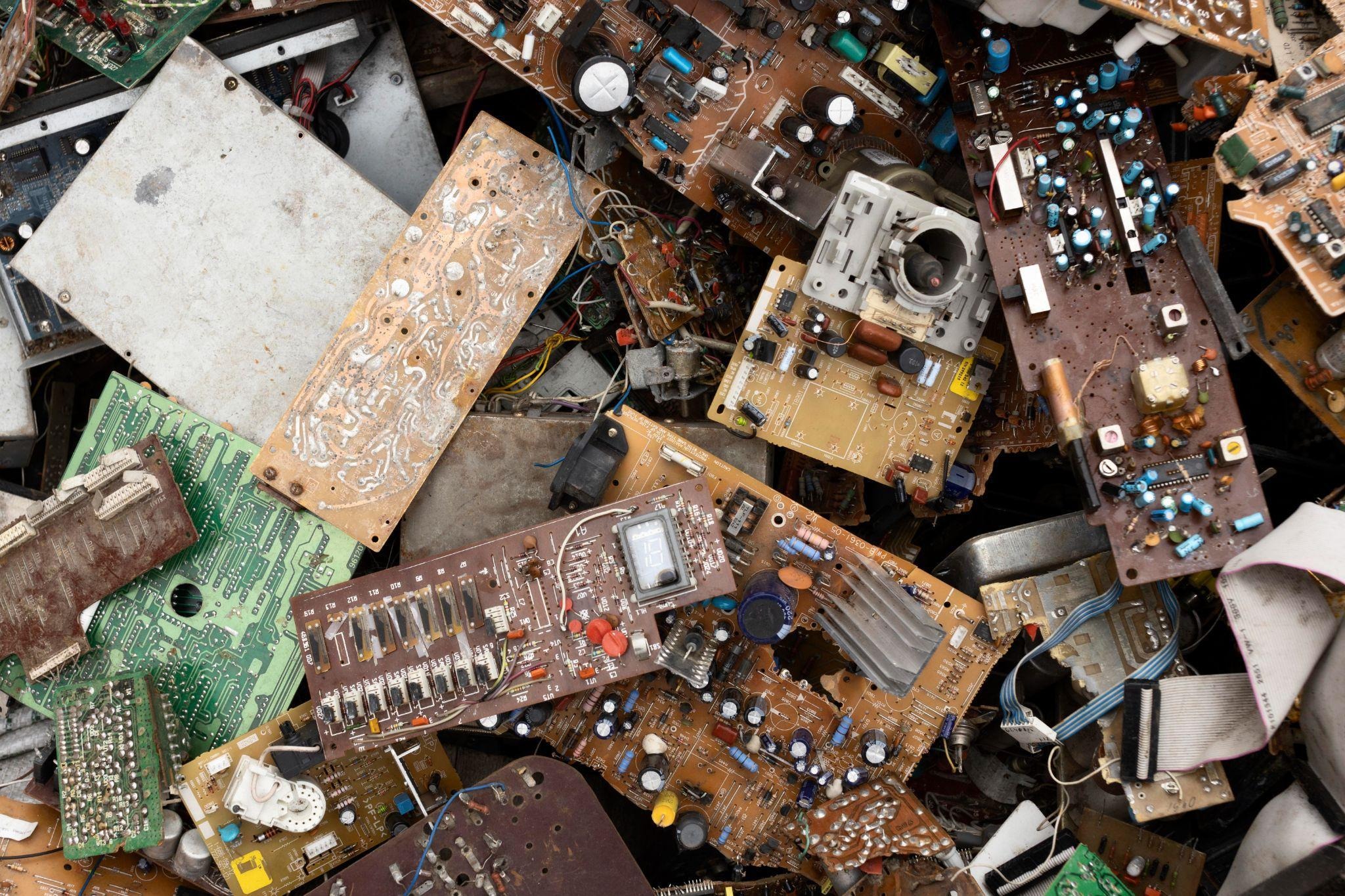
Businesses regularly replace computers, laptops, servers, printers, networking equipment, and other electronic devices to improve productivity and strengthen operational performance. As these assets reach the end of their useful lives, implementing effective e-waste management practices is essential to protect sensitive information and minimize environmental impact. A structured disposal process ensures obsolete electronics are handled securely, reusable materials are recovered efficiently, and organizations remain compliant with environmental and data protection regulations. Responsible disposal also reflects a company’s commitment to sustainability while reducing risks associated with improper handling of retired electronic equipment.
Importance of Responsible Business Electronics Disposal
Business electronics disposal involves much more than removing outdated equipment from the workplace. Every retired device may contain confidential business information, reusable components, and materials that require specialized treatment. Without a structured disposal strategy, organizations may face security threats, compliance issues, and unnecessary environmental harm. Establishing a systematic disposal process helps businesses maintain control over retired assets and ensure they are managed responsibly from collection through final recycling or destruction.
Proper disposal planning also supports efficient workplace operations. Instead of allowing obsolete equipment to accumulate in storage areas, organizations can retire assets in an organized manner, creating additional workspace and simplifying future technology upgrades. A well-managed disposal process improves asset visibility, reduces unnecessary costs, and strengthens overall operational efficiency.
- Protecting Confidential Business Information
Electronic devices often store financial records, employee information, customer databases, and confidential business documents. Before any equipment leaves an organization, all stored information should be securely erased or permanently destroyed using approved methods. Eliminating sensitive data before disposal significantly reduces the possibility of unauthorized access and helps maintain business continuity without exposing valuable information.
- Maintaining Secure Asset Tracking
Every retired electronic asset should be recorded and monitored throughout the disposal process. Maintaining accurate inventories and documented chain-of-custody procedures ensures that equipment remains fully accounted for from collection to final processing. Businesses looking for e-waste management solutions in Dubai benefit from structured tracking systems that improve accountability, reduce the risk of misplaced equipment, and provide complete transparency during every stage of disposal.
- Meeting Compliance and Corporate Standards
Organizations operating across different industries must comply with regulations governing electronic waste disposal and data security. Proper documentation, disposal records, and destruction certificates help demonstrate compliance during internal reviews and external audits. Following recognized standards also minimizes legal risks while reinforcing responsible corporate governance and operational integrity.
- Extending Value Through Responsible Asset Recovery
Not every electronic component loses its value once equipment is retired. After secure data removal, certain parts can be refurbished, reused, or recycled depending on their condition. Recovering valuable materials such as copper, aluminum, steel, and precious metals helps reduce the demand for newly extracted resources while improving resource efficiency. This process allows organizations to maximize value from retired assets while supporting sustainable business practices.
- Supporting Long-Term Business Objectives
Responsible electronics disposal contributes to more than environmental protection. It enables organizations to establish consistent IT lifecycle management processes, improve workplace organization, and prepare effectively for future technology upgrades. Businesses that integrate structured disposal into their long-term operational planning are better positioned to balance security, compliance, efficiency, and sustainability as their technology infrastructure evolves.
Secure and Sustainable Disposal Practices
A successful business electronics disposal program combines strong security measures with environmentally responsible recycling practices. Organizations should follow structured procedures to protect confidential information and ensure that obsolete equipment is processed in accordance with recognized environmental standards. Businesses implementing e-waste management strategies benefit from organized disposal programs that reduce risks, recover valuable resources, and support long-term sustainability objectives.
- Implement Certified Data Destruction
Before electronic equipment is recycled or disposed of, all sensitive information should be permanently removed using certified data wiping or physical destruction methods. This prevents unauthorized access to business records and ensures confidential information cannot be recovered after the assets leave the organization’s control. - Choose Responsible Recycling Processes
Electronic equipment contains reusable metals, plastics, and other valuable materials that should be recovered through responsible recycling. Proper recycling reduces landfill waste, conserves natural resources, and minimizes the environmental impact associated with manufacturing new electronic components. - Maintain Secure Collection and Transportation
Retired business electronics should be collected, packed, and transported in accordance with secure handling procedures. Maintaining documented chain-of-custody records throughout transportation helps ensure accountability and reduce the risk of equipment loss or unauthorized access during transit. - Keep Complete Documentation
Every stage of the disposal process should be documented carefully. Asset inventories, recycling records, and certificates of destruction provide evidence that equipment has been processed responsibly. Proper documentation also supports compliance requirements and simplifies internal audits.
Following these practices allows organizations to manage retired electronics with greater confidence. Secure handling, responsible recycling, and accurate documentation work together to protect valuable information while supporting environmental sustainability and efficient IT asset lifecycle management.
Long-Term Benefits of Responsible Electronics Disposal
A structured electronics disposal strategy provides lasting value for organizations beyond the immediate retirement of outdated equipment. Secure disposal minimizes data security risks, improves regulatory compliance, and supports responsible environmental practices. Recovering reusable materials also contributes to resource conservation while reducing electronic waste generated by business operations. As organizations continue to modernize their technology infrastructure, integrating responsible disposal into long-term IT planning strengthens operational resilience and demonstrates a commitment to sustainable business practices.
Conclusion
Business electronics disposal is an essential component of responsible IT asset management. Organizations that adopt secure disposal procedures and environmentally conscious recycling practices can protect confidential information, maintain compliance, and reduce the environmental impact of obsolete technology. A structured approach ensures that retired electronic assets continue to deliver value through responsible recovery and sustainable processing.
For businesses seeking dependable e-waste management solutions in Dubai, partnering with an experienced service provider ensures secure handling, certified recycling, and complete regulatory compliance. With extensive expertise in responsible electronics recycling and IT asset management, Planet Green Recycling (L.L.C) helps organizations dispose of obsolete business electronics safely while supporting both operational efficiency and long-term sustainability goals.


